


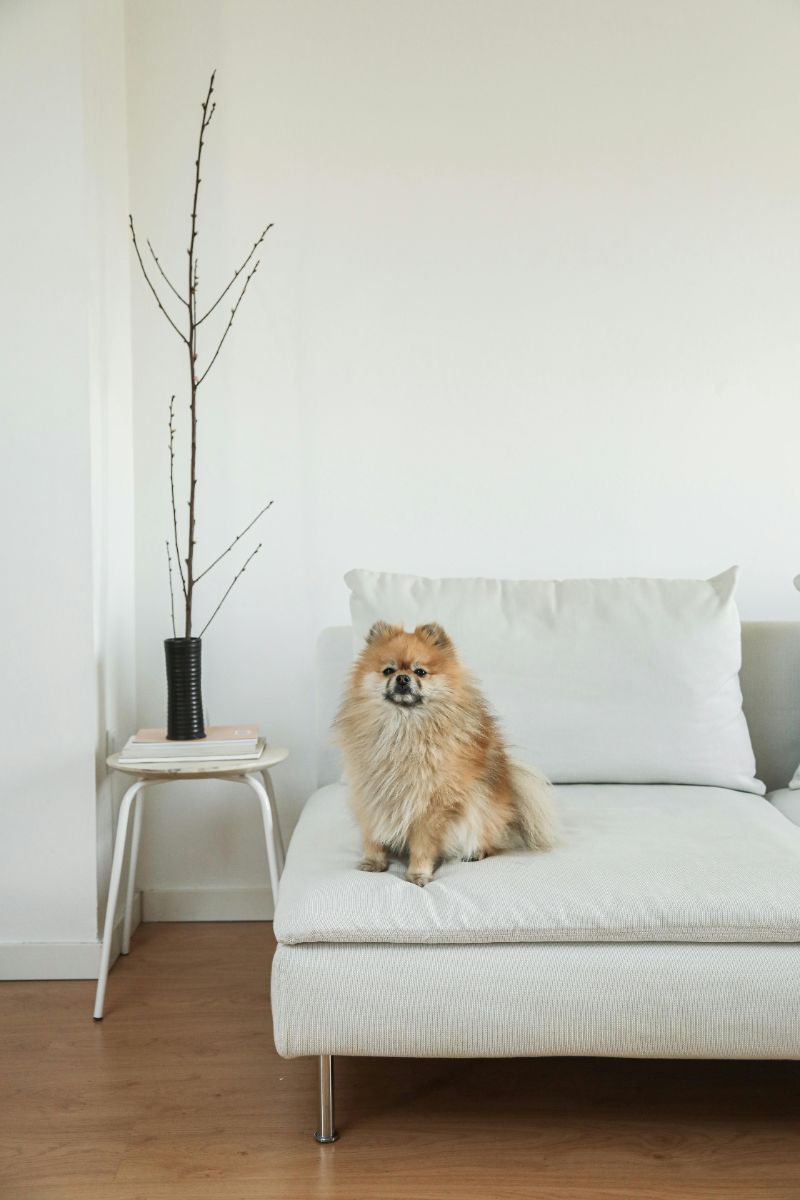
Living with pets means living with energy. Dogs race down hallways. Cats leap from the sofa to the window. Claws click across the floor at all hours. It is part of the charm. It is also one of the biggest concerns homeowners share with us when they choose hardwood flooring.
Many people worry they must choose between beautiful wood floors and their furry family members. The truth is, you do not have to sacrifice either one. With the right flooring choices and a few smart habits, you can protect your investment and still let your pets feel at home.
At Network Interiors, we help homeowners and contractors select durable hardwood and maintain it for real life. If you take a proactive approach, your floors can stay beautiful for years, even in an active, pet-friendly home.
Why do pet claws scratch wood floors?
Pet claws do not damage hardwood flooring simply by touching it. Scratches usually happen when pets run, jump, or change direction quickly. During those movements, their nails press down with force and create small points of pressure that can mark the finish.
Several factors influence how much wear you see over time:
Nail length and sharpness
Hardness of the wood species
Type and strength of the floor finish
When you manage these three elements, you dramatically reduce visible scratches and dents.
How often should you trim your pet’s nails?
Regular nail trimming is the easiest and most effective way to protect your floors. Long nails behave like tiny chisels, and even slow walking can leave marks behind.
Most dogs and indoor cats benefit from nail trimming every three to four weeks. Highly active pets may need trimming more often because their nails grow and sharpen faster.
Helpful habits include:
Keep nails short enough that they do not click loudly on the floor
Use a grinder to smooth sharp edges after clipping
Consider soft nail caps for pets that scratch frequently
Provide scratching posts or pads for cats
This small routine takes only minutes but can prevent years of unnecessary wear.
What hardwood species are most pet-friendly?
Not every hardwood flooring option performs the same under pressure. Some woods are naturally harder and resist dents and scratches better, which makes them ideal for homes with pets.
If you are installing new flooring, consider choosing a tougher species from the start.
More durable options include:
Hickory
White oak
Hard maple
Engineered hardwood flooring with a thick wear layer
Softer woods like pine or walnut can still be beautiful, but they tend to show wear more quickly. If you prefer those looks, you may want to choose a distressed or wire-brushed texture because those finishes help camouflage everyday scratches.
What finishes protect hardwood flooring best from scratches?
The finish on your hardwood acts as the first line of defense. Even the strongest wood can show wear if the finish is too thin or too soft.
Modern protective coatings offer excellent durability and are designed to handle busy households with kids and pets.
We often recommend:
Aluminum oxide finishes for maximum scratch resistance
Matte or low-gloss sheens that hide marks better than shiny surfaces
Site finished polyurethane with multiple protective coats
UV-cured factory finishes on engineered hardwood
High gloss floors may look dramatic at first, but they highlight every small scratch. A matte or satin finish creates a more forgiving and realistic look for everyday living.
Where should you add rugs and runners?
You do not need to cover your entire floor to protect it effectively. Instead, you should focus on the areas that receive the most traffic and activity.
Strategically placed rugs and runners can absorb impact and prevent scratches without hiding the beauty of your wood floors.
Smart placement areas include:
Entryways and mudrooms
Hallways and stairs
Under food and water bowls
Play zones and favorite lounging spots
Areas where pets jump off furniture
Always choose rugs with non-staining pads. Cheap rubber or latex backings can discolor wood over time, so it is important to use products designed specifically for wood floors.
How should you clean hardwood floors in a pet home?
Dirt and grit cause more damage than claws alone. Tiny particles act like sandpaper under your pet’s paws and slowly wear away the finish.
Consistent cleaning keeps that grit from building up and protects your floor’s surface.
A simple routine works best:
Sweep or dust mop several times a week
Vacuum using a hardwood safe attachment
Wipe spills immediately to prevent stains
Use a pH-neutral wood floor cleaner
Avoid steam mops and excess water
Gentle, regular care is much safer than occasional deep scrubbing.
Can maintenance services extend the life of your wood floors?
Professional maintenance can make a big difference, especially if your floors are starting to look dull or lightly scratched. You do not always need a full sanding and refinish to restore beauty.
Many homeowners benefit from:
Screen and recoat services
Professional deep cleaning
Reapplying protective top layers
Small scratch touch-ups
These services refresh the surface and add years of life at a fraction of the cost of replacement.
Your experts on wood floors in Glenwood Springs and Rifle, CO
You can absolutely enjoy hardwood flooring and life with pets at the same time. Protection does not require complicated solutions. It simply requires consistency and smart choices.
When you trim nails regularly, choose durable materials, use rugs in high traffic zones, and maintain the finish, your hardwood will stay beautiful for many years.
If you are ready to upgrade your floors or want expert advice on protecting what you already have, reach out to Network Interiors today. From our showrooms in Glenwood Springs and Rifle, CO, we serve Glenwood Springs, New Castle, Carbondale, Gypsum, Eagle, Aspen, Snowmass, Avon, Vail, and Basalt, CO.


